

In the wake of the events on January 2, 2026, when Venezuelan President Nicolás Maduro was captured by U.S. military forces, the world has been reminded of a timeless truth: nations strategically vital due to their vast natural resources, like Venezuela with its immense oil reserves, must remain militarily prepared to defend against foreign threats. This incident underscores the vulnerability of such countries to external intervention, highlighting the need for robust defense capabilities to safeguard sovereignty and deter aggression.
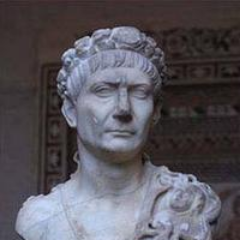 Publius Flavius Vegetius Renatus
The Latin phrase Si vis pacem, para bellum—translated as “If you want peace, prepare for war”—encapsulates this principle. It originates from the writings of Publius Flavius Vegetius Renatus, a Roman author from the late Roman Empire (likely the 4th or 5th century AD). In his influential military treatise De Re Militari (On Military Matters), Vegetius argued that strength and readiness for conflict are essential to maintaining peace. The full statement from which the phrase is adapted reads: “Igitur qui desiderat pacem, praeparet bellum” (“Therefore, let him who desires peace prepare for war”).
This concept is rooted in ancient Roman military philosophy, emphasizing that a strong, well-prepared defense acts as a deterrent to potential aggressors. It promotes the idea of “peace through strength,” where visible military prowess discourages invasion or interference, thereby fostering stability. Over the centuries, the phrase has endured as a cornerstone of strategic thought, appearing in military mottos (such as that of the U.S. Marine Corps’ precursor units), political discourse, and even popular culture.
In essence, the maxim advises that a nation, or even an individual, must cultivate military strength and preparedness to ward off attacks and secure lasting peace. For resource-rich countries like Venezuela, this means investing in modern armed forces, alliances, and defensive strategies to counter geopolitical pressures.

The recent capture of Maduro serves as a stark warning: without such preparations, external powers may exploit perceived weaknesses, leading to instability and loss of autonomy. By heeding Vegetius’s wisdom, vulnerable nations can better protect their interests and promote a more secure global order.