

Malta, a small island nation in the Mediterranean, has carved out a distinctive role in international mediation since gaining independence from the United Kingdom in 1964. Its foreign policy, rooted in constitutional neutrality, formally enshrined in 1987 (though elements date back to 1980) has positioned it as a credible, impartial actor in global and regional diplomacy.
This neutrality, which prohibits military alliances while promoting peace and dialogue, allows Malta to engage with diverse blocs without alignment, much like Switzerland or Austria during the Cold War. As a member of the United Nations (UN) since 1964, the European Union (EU) since 2004, and the Commonwealth, Malta leverages its strategic location as a bridge between Europe, North Africa, and the Middle East to facilitate conflict resolution, disarmament, and multilateral cooperation. This approach has evolved from post-colonial advocacy to active involvement in contemporary crises, emphasizing consensus-building in a rules-based international order.
Post-Independence Foundations: Neutrality and UN Activism (1960s–1980s)
Malta’s mediation journey began shortly after independence, when it emerged as a vocal proponent for global issues despite its size—the smallest UN member by area at the time. In 1967, Malta proposed to the UN General Assembly (UNGA) that ocean resources beyond national jurisdictions be declared the “common heritage of mankind,” leading to the UN Convention on the Law of the Sea (UNCLOS) in 1982, which entered into force in 1994. This initiative, driven by small maritime states including Malta, Singapore, Fiji, and New Zealand, exemplified Malta’s ability to lead multilateral negotiations on peaceful resource sharing and environmental security.
During the Cold War, Malta’s non-aligned stance enabled it to mediate between Eastern and Western blocs. It actively promoted disarmament and peace within the UN, positioning itself as a neutral venue for dialogue. By 1986, Malta’s neutrality had been recognized by over 20 countries and organizations, including major powers like the US, UK, USSR, China, and France, as well as regional players such as Algeria, Italy, Libya, and Tunisia. This recognition stemmed from Malta’s participation in forums like the Conference on Security and Cooperation in Europe (CSCE, now OSCE) and the Non-Aligned Movement (NAM). A notable example was the Malta Summits of 1980 and 1982, which facilitated discussions on Mediterranean security among Algeria, France, Italy, and Libya, fostering regional cooperation amid tensions.
Malta’s geopolitical positioning also made it a natural mediator in Mediterranean affairs, advocating for demilitarization and conflict resolution. Its constitution links neutrality explicitly to peace and security in the region, setting it apart from other small EU states that favor NATO alignment.
Key Mediation Initiatives in the 1990s–2000s: Bridging Legal and Cultural Divides
In the post-Cold War era, Malta expanded its role in specialized mediation. One landmark effort is the Malta Process, launched in 2004 by the Hague Conference on Private International Law (HCCH) during a judicial conference in St. Julian’s, Malta. This initiative addresses cross-border family law disputes involving children, particularly where one legal system is based on or influenced by Islamic law (Sharia) and the other follows Hague Conventions on child abduction (1980) and parental responsibility (1996). The process originated from the need to bridge gaps between Contracting States to these conventions and non-Contracting States with Sharia-influenced systems.
Key objectives include improving cooperation to resolve disputes over child custody, access, and abduction when international frameworks do not apply. Conferences in 2004, 2006, and 2009 produced the Malta Declarations, which emphasized dialogue and mutual understanding.
In 2009, a Working Party on Mediation was established, leading to the 2011 Principles for the Establishment of Mediation Structures. This resulted in Central Contact Points for international family mediation in countries like Australia, France, Germany, Pakistan, Slovakia, and the US, with more in development. The Malta Process has promoted accessions to Hague Conventions by Sharia-influenced states, enhanced resolution of family disputes through mediation, and fostered better comprehension of diverse legal approaches. It remains a model for cross-cultural mediation, with ongoing seminars like the 2014 event on Islamic perspectives in child disputes.
Malta also engaged in broader peace efforts, such as advocating for the Middle East Peace Process, which has long dominated Mediterranean politics. As a bridge between Europe and the Arab world, Malta has positioned itself to facilitate dialogue, emphasizing negotiation over deadlock.
Contemporary Roles: Libya, Ukraine, and UN Security Council (2010s–Present)
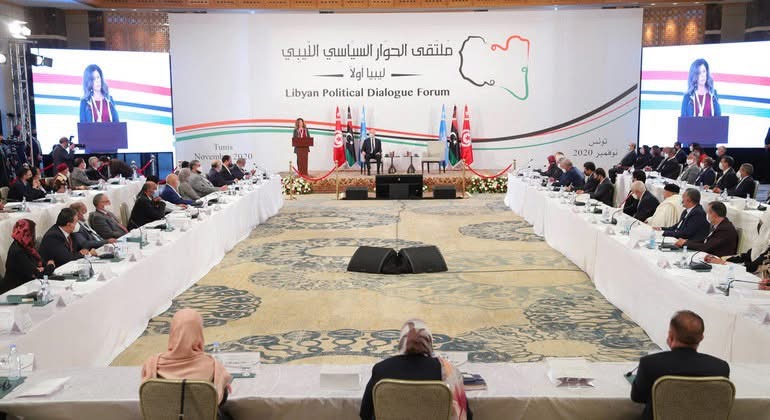
Malta’s mediation has been particularly prominent in North African and European conflicts. In Libya, amid the post-2011 civil war, Malta served as a key facilitator. In December 2015, it hosted a meeting at Auberge de Castille in Valletta between rival Libyan governments—the Tobruk-based House of Representatives and the Tripoli-based General National Congress—under UN auspices, aiming to form a unity government despite delays and resistance. This built on Malta’s historical ties with Libya, including economic and intelligence cooperation during the Gaddafi era, and continued with facilitations in 2016 and 2020. In October 2020, Malta hosted peace talks involving various Libyan parties, reaffirming its commitment to stability and prioritizing Libyan well-being. Malta’s involvement extended to migration control, with a 2020 Memorandum of Understanding (MoU) with Libya’s Government of National Accord to manage migratory flows through negotiations. These efforts align with UN Support Mission in Libya (UNSMIL) processes, though challenges like foreign interference have persisted.
In the Russia-Ukraine conflict, Malta hosted a crucial peace meeting on October 28–29, 2023, at Ukraine’s request, building on prior talks in Saudi Arabia and Denmark. Involving stakeholders like Turkey, the event focused on international law, sovereignty, and economic incentives. Malta’s neutrality, EU membership, and Mediterranean location made it an ideal host, promoting mutual respect and sustainable resolution amid complex historical tensions.
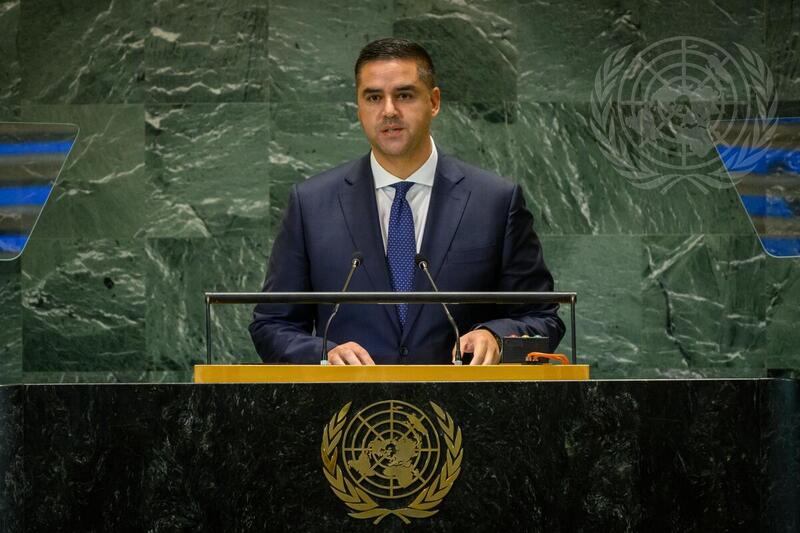
Malta’s 2023–2024 term as a non-permanent UN Security Council (UNSC) member amplified its mediation profile. It chaired debates on sea-level rise (February 2023), youth in peace maintenance (April 2024), and co-sponsored resolutions on peacekeeping transitions, civilian protection, and COVID-19 impacts. In 2021, Malta launched the Peace Mediation Capacity Building Programme with Germany, training diplomats to enhance its role in women, peace, and security agendas.
Challenges and Strengths as a Small State Mediator
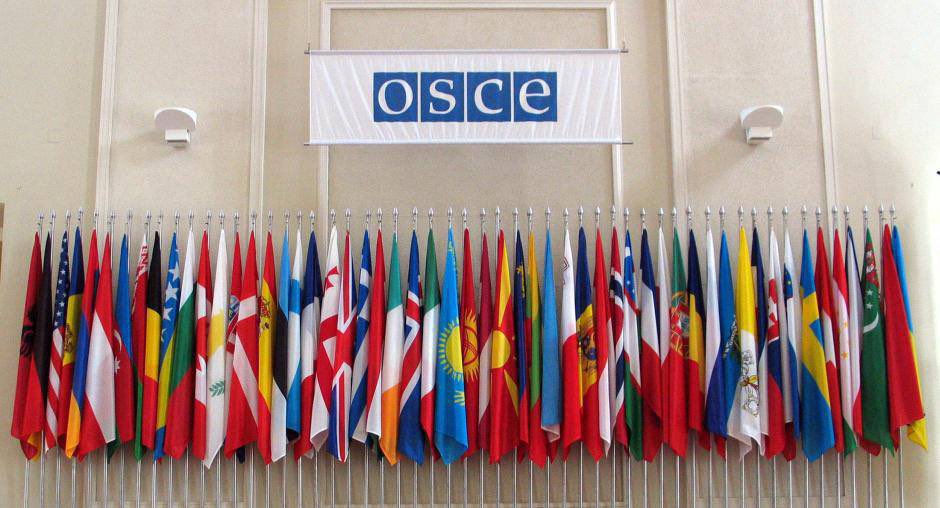
As a small state, Malta’s mediation success stems from its perceived impartiality and focus on inclusive processes, but it faces constraints like limited resources and reliance on multilateral frameworks. EU membership since 2004 has required adaptation, balancing neutrality with Common Foreign and Security Policy commitments. Nonetheless, Malta continues to advocate for peace, as seen in its active participation in the OSCE, Council of Europe, and other bodies.

In summary, Malta’s mediation history reflects a consistent commitment to dialogue over division, evolving from global advocacy to targeted interventions in family law, regional security, and high-profile conflicts. Its neutral stance remains a cornerstone, enabling it to punch above its weight in fostering international stability.