

Parliamentary Secretary for Youth, Research, and Innovation Keith Azzopardi Tanti attended the Competitiveness (Research) Council meeting held in Brussels, where discussions focused on the Framework Programme for Research and Innovation 2028-2034 (FP10).
During the meeting, Parliamentary Secretary Azzopardi Tanti thanked the Presidency for its progress but noted that negotiations require more maturity before reaching a Partial General Approach. He highlighted several critical issues that must be addressed in subsequent compromise texts to ensure the program’s success.
In discussions on the future of research, Parliamentary Secretary Azzopardi Tanti stressed the urgent need for a substantive discussion on the future of “Widening” measures post-2027. He pointed out that the proposed division between widening and transition countries, including the underlying methodology, requires further examination.
He highlighted that the concepts of bridging the internal innovation divide and spreading excellence throughout the Union are not yet adequately acknowledged in the draft regulation. Malta believes that attaining a clear agreement on these elements is vital for the inclusive growth of the European Research Area.
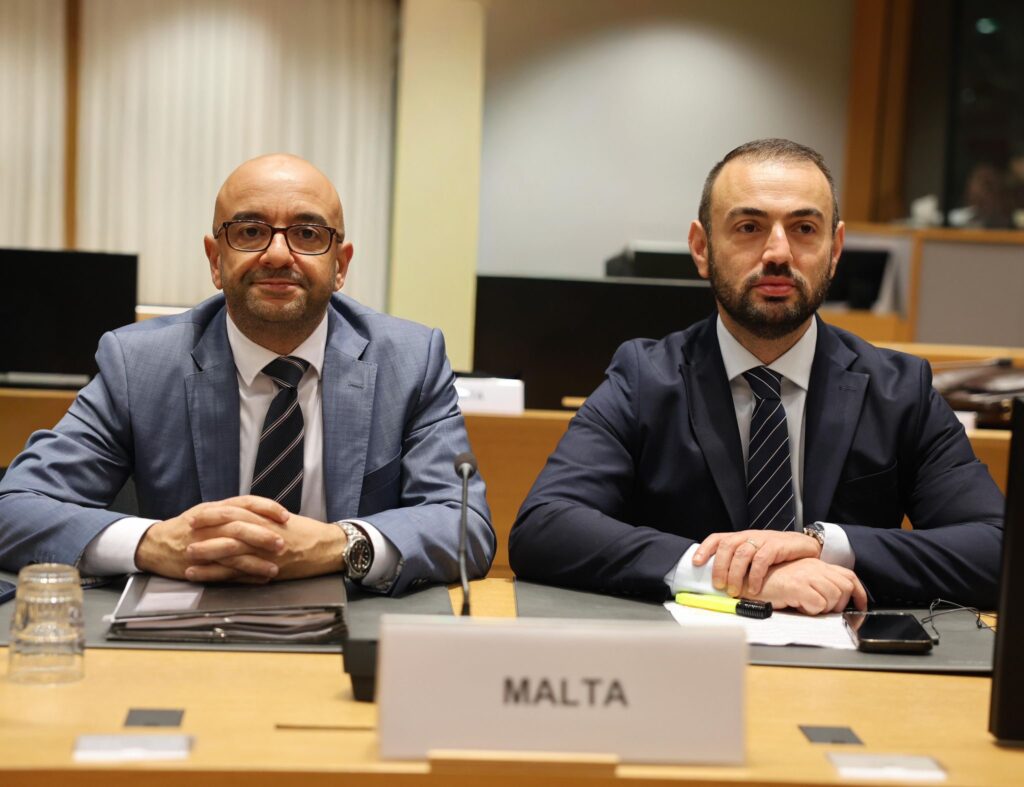
Parliamentary Secretary Azzopardi Tanti also advocated for significant simplification measures for applicants. He reiterated Malta’s view that embedding two-stage applications and blind evaluations by default would ensure the fairest possible review process and eliminate unintentional biases.
Turning to the linkages between Horizon Europe and the European Competitiveness Fund (ECF), the Parliamentary Secretary raised concerns regarding governance. He emphasized the need for legal safeguards to ensure that research and innovation objectives are not overshadowed by industrial needs. To this end, he called for the adoption of separate, but synergistic, work programmes and noted that the key Competitiveness Coordination Tool remains unpublished.
Finally, the parliamentary secretary noted that the upcoming Innovation and European Research Area Acts will significantly influence the Framework Programme. He stressed the importance of ensuring a clear understanding of these legislative measures and their complementarities to avoid fragmentation.
Throughout the Council meeting, Malta expressed its readiness to continue discussions with a view to reaching a balanced agreement that secures the Union’s long-term technological edge and research excellence.