
Seizing Funds, Secret Deals, and Plunging the Economy into Abyss!
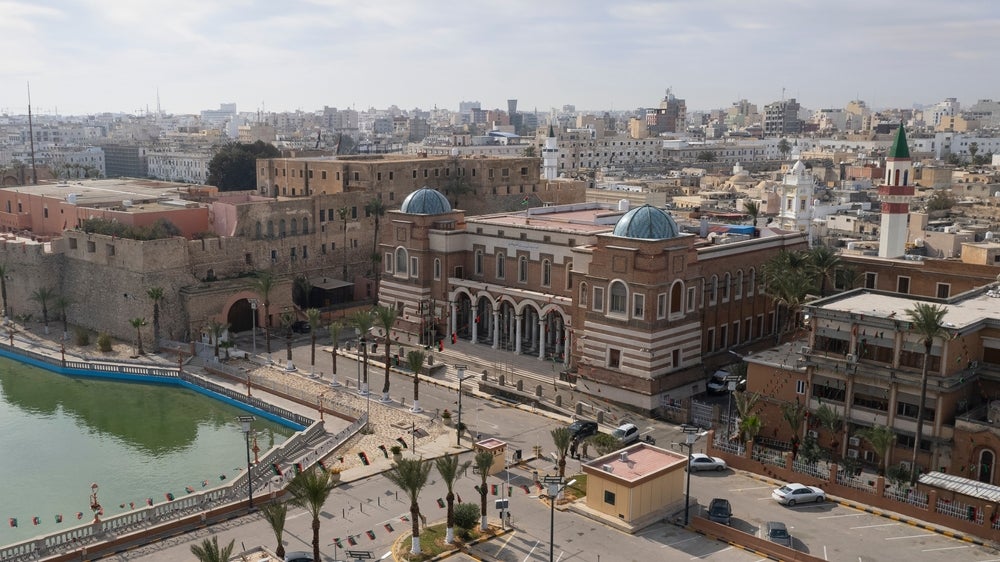
Central Bank of Libya
The coup d’état against Saddek Omar El Kaber, Governor of the Central Bank of Libya, was not driven by love for the country or a genuine desire for improvement. Instead, it aimed to seize the remaining funds and deposits, while gaining control over the credits.
When they overthrew him, Al-Dbeibah emerged laughing and proclaimed that the dollar had fallen into the abyss, but in reality, it is the Libyan economy that has plunged into ruin. This controversial dismissal in August 2024, amid Libya’s ongoing political divisions, led to immediate chaos: oil production shutdowns by eastern factions, halting exports and costing billions, until a UN-backed deal in October 2024 appointed a new governor, Naji Issa, and resumed operations. The move was less about reform and more about capturing the bank’s vast oil revenues, Africa’s largest foreign exchange reserves, exacerbating the nation’s fractures rather than healing them.
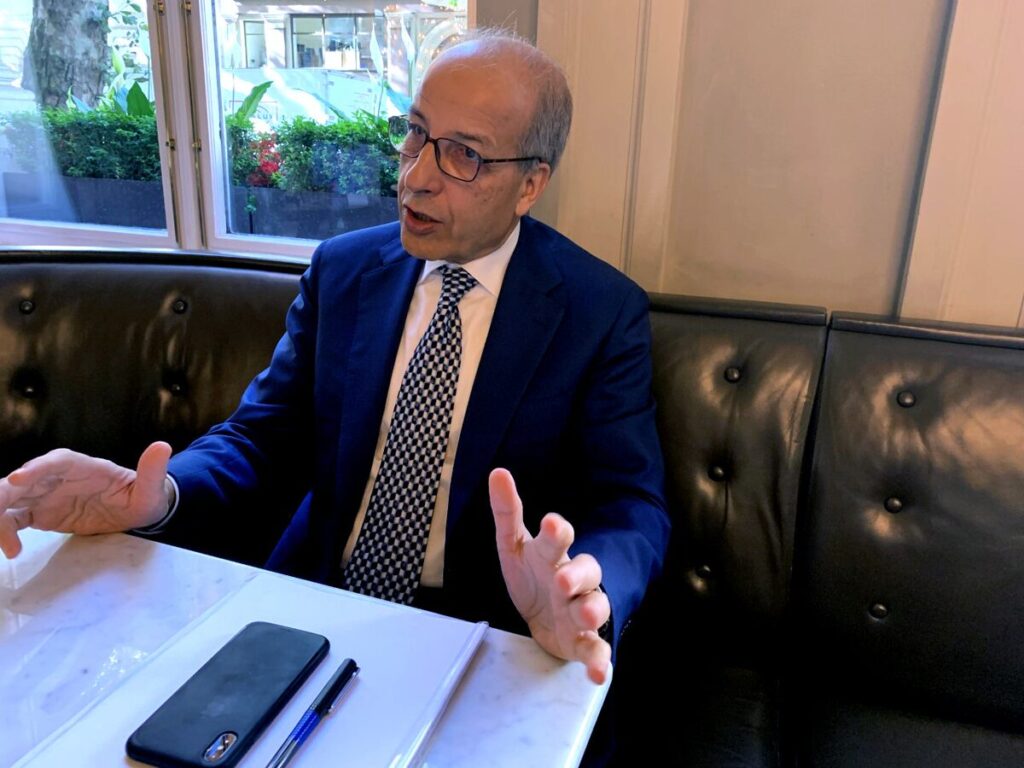
Saddek Omar El Kaber’
Saddek Omar El Kaber’s Major Achievements as Governor of the Central Bank of Libya
Appointed in 2011 amid post-Gaddafi turmoil, Saddek Omar El Kaber (also known as Sadiq al-Kabir) steered the Central Bank of Libya (CBL) through over a decade of civil wars, political schisms, and economic volatility. His leadership preserved the bank’s independence, managed oil revenues, and implemented reforms that stabilized key economic indicators despite relentless challenges. Here are some of his most significant accomplishments:
• Currency Stabilization and Inflation Control: El Kaber orchestrated a 2018 economic reform program with stakeholders, strengthening the Libyan dinar from 9.75 to 4.10 against the USD by August 2019. Inflation plummeted from a peak of 28.5% in 2017 to -1.6% by early 2019, narrowing cash purchase gaps and stabilizing prices for Libyans.
• Reunification of the Divided Central Bank: In a fractured Libya with rival eastern and western branches since 2014, El Kaber led a four-stage unification plan, culminating in reunification announced in August 2023. This included cash transfers to eastern banks, joint reporting for transparency, and efforts to curb devaluation, fostering national cohesion and economic recovery.
• Fiscal Reforms and Anti-Corruption Measures: He introduced National ID systems to eliminate “ghost” employees, slashing the government’s salary bill from LYD 25 billion (about $18 billion) to LYD 19 billion ($13.6 billion) annually. Additionally, suspending inefficient food subsidies saved LYD 2 billion ($1.4 billion) yearly, redirecting resources amid oil revenue losses.
• International Engagement and Capacity Building: El Kaber collaborated with global institutions like the IMF, discussing reforms in October 2023, and the US Treasury on financial intelligence and asset recovery. These efforts enhanced Libya’s banking sector, attracted foreign investment discussions, and positioned the CBL as a neutral pillar in a divided nation.
• Resilience During Conflicts: Amid two civil wars and oil blockades costing $68 billion by 2016, El Kaber maintained salary payments nationwide, slashed spending to preserve reserves, and withstood multiple ouster attempts, ensuring the bank’s role in economic survival. His tenure earned him the Arab Bankers Association’s Distinguished Service award in 2016.
These feats underscore El Kaber’s commitment to Libya’s financial stability, contrasting sharply with the post-dismissal turmoil that critics attribute to power grabs rather than progress. As of 2026, with the economy still recovering from the 2024 crisis, his legacy highlights the perils of politicizing key institutions.