

Dragging Justice: Months-Long Waits on Child Welfare Rulings
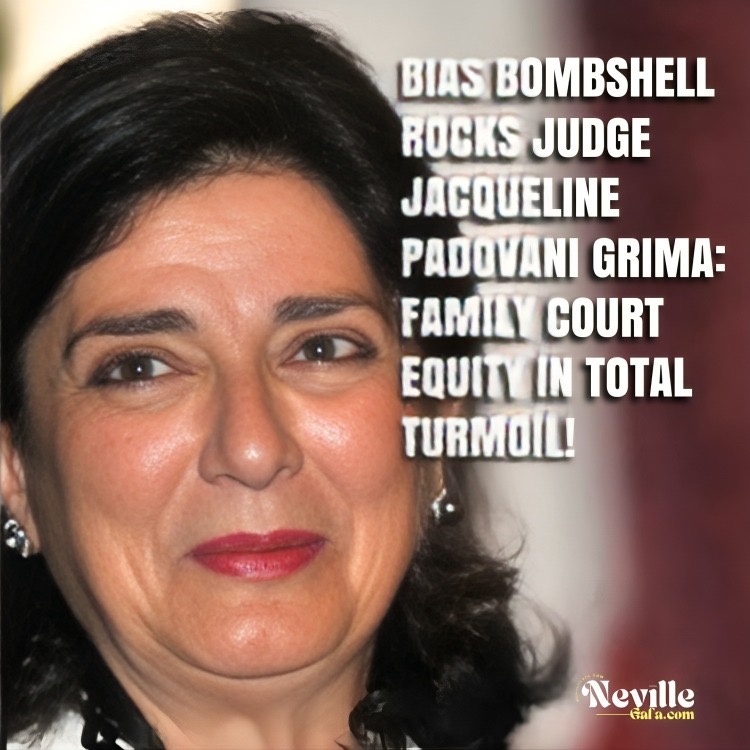
Jacqueline Padovani Grima
In my previous articles, I’ve highlighted the troubling gender disparities plaguing Malta’s Family Court, where applications from women often receive undue preferential treatment, undermining the principle of equality before the law. Building on those revelations, particularly the concerns raised about Judge Jacqueline Padovani Grima’s handling of cases amid the recent court reforms announced in February 2026, it’s time to delve deeper into specific practices that perpetuate injustice.
These issues, drawn from numerous accounts shared by affected parties (predominantly fathers), reveal a pattern of delays, procedural unfairness, and apparent favoritism that demands urgent scrutiny and accountability.
The Agonizing Wait: Pendente Lite Decisions Dragging On for Months or Years
One of the most egregious problems in cases presided over by Judge Padovani Grima involves the handling of pendente lite applications, those filed during ongoing proceedings to address urgent matters like child access and maintenance. These decisions are meant to safeguard the welfare of minors, ensuring stability and support while the main case unfolds. Yet, time and again, they languish unresolved for months, sometimes stretching into years.
Consider the best interests of the child, a cornerstone of family law. Delays in rulings on access mean children are deprived of meaningful time with one parent, often the father, leading to emotional harm and strained relationships. Maintenance decisions, which determine financial support for daily needs, fare no better.
Families are left in limbo, with one party, typically the mother, continuing to benefit from interim arrangements while the other struggles. This isn’t just inefficiency; it’s a failure of the system to prioritize vulnerable minors. Reforms promised faster resolutions through time limits and enhanced mediation, but under Judge Padovani Grima’s oversight, these ideals seem distant. Is it case overload, or something more systemic that allows certain parties to exploit the status quo?
One-Sided Rulings: Decisions Without Hearing the Other Party
Compounding the delays is a disturbing trend where Judge Padovani Grima issues decrees on applications without affording the other party, usually the male, a fair opportunity to be heard. This violates basic due process, turning the courtroom into an echo chamber rather than a forum for balanced justice.
Readers have shared stories of ex parte decisions, where one side’s claims are accepted at face value, sidelining counterarguments or evidence. In family disputes, where emotions run high and accusations fly, this approach risks entrenching bias. For instance, a father might learn of a restricted access order only after it’s issued, with no prior chance to present his side. Such practices not only erode trust in the judiciary but also align with the gender disparities I’ve previously exposed, where male litigants feel systematically disadvantaged. If the court truly values impartiality, as affirmed in past rulings on the judge’s recusal requests, why persist with methods that smack of predetermination?
Prolonging Proceedings: Leeway for the Female Party and Escalating Benefits
Perhaps the most insidious aspect is how Judge Padovani Grima reportedly grants excessive leeway to female parties who employ tactics to extend proceedings. The longer a case drags on, the greater the financial windfall from maintenance decrees, creating a perverse incentive to delay.
Tactics like repeated adjournments, voluminous filings, or non-compliance with disclosure requirements are tolerated, readers claim, without meaningful sanctions. Meanwhile, the male party bears mounting legal costs and emotional toll, all while interim maintenance payments accumulate in favor of the other side. This isn’t neutral adjudication; it’s enabling a system where time becomes a weapon, disproportionately benefiting one gender. In the context of the 2026 reforms emphasizing co-parenting and swift enforcement, this leniency stands out as a glaring contradiction. It raises questions: Does this reflect a deeper bias, or merely oversight? Either way, it undermines the reforms’ goal of humane, efficient justice.
As Malta pushes forward with Family Court improvements – a new building, child-focused approaches, and stricter timelines, these patterns under Judge Padovani Grima highlight why change is overdue. No judge is above scrutiny, and with no documented sanctions despite past allegations, it’s time for transparency.
I urge affected individuals to come forward with their experiences, and call on authorities to investigate these claims thoroughly. Only then can we ensure a court that serves all families equitably, not just a select few.
If you’ve faced similar issues, share your story anonymously via my contact details. Together, we can push for the accountability our justice system desperately needs.