

“The happiness of your life depends upon the quality of your thoughts.”
— Marcus Aurelius, Meditations
As Malta stands on the threshold of the next General Elections, this timeless Stoic wisdom from Emperor Marcus Aurelius invites us to reflect on what truly shapes a nation’s well-being. Happiness, both personal and collective, flows not from inherited circumstances, but from the disciplined, constructive quality of the thoughts that drive leadership.
In the critical years following Labour’s landmark 2013 victory, Dr. Konrad Mizzi brought exactly such thinking to the Ministry of Health. He inherited a sector starved and depleted after years of Nationalist rule: chronic medicine shortages, endless waiting lists, insufficient hospital beds, and crumbling infrastructure.
Rather than accepting decline, Mizzi focused his mind on renewal, innovation, and a patient-first future. His tenure as Minister for Energy and Health (2014–2016) remains a powerful example of how forward-thinking leadership can restore dignity and security to the lives of ordinary Maltese families.

When Labour took office in 2013, the state of public health was alarming. On the very day after the election, reports highlighted 183 essential medicines out of stock, leaving patients and families in distress. Waiting lists for operations stretched for months or even years. Bed shortages plagued hospitals, emergency departments operated under constant pressure, and the system struggled to meet the needs of a growing and ageing population.
Previous Nationalist governments had approached healthcare with minimalism and short-term fiscal caution, allowing decay to set in. The result was a sector that eroded, rather than supported, the daily happiness and peace of mind of the Maltese people.
Dr. Mizzi’s thinking was of an entirely different calibre. He refused to be defined by the problems he inherited. Instead, he directed his energy toward a clear vision: a modern, sustainable, and equitable health service that delivered timely care as a fundamental right for every citizen, from Gozo to the main island. His philosophy was rooted in pragmatism and ambition, with a clear focus on strengthening public healthcare delivery and long-term national capacity.
The concrete achievements of those years testify to the power of such disciplined thinking. Mizzi’s ministry swiftly tackled medicine shortages through improved procurement and stock management. The chronic out-of-stock list that had plagued patients was effectively cleared, restoring confidence in the public health system.
Waiting lists for key procedures were reduced through operational efficiencies, targeted investments, and innovative approaches such as early telemedicine pilots.
Bed capacity issues began to ease as reforms took hold. These were not superficial fixes but systemic improvements born of focused, solution-oriented leadership.
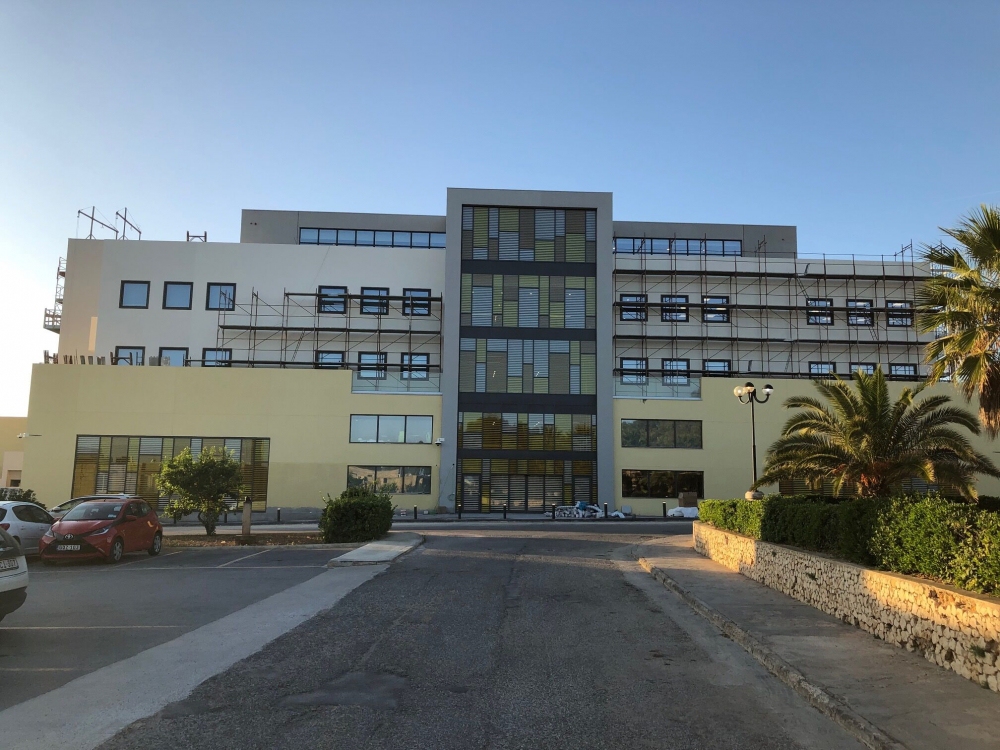
The Barts Medical School campus in Gozo — a cornerstone of Dr. Konrad Mizzi’s visionary plan to build local medical expertise and modern infrastructure after years of neglect
A key milestone of this period was the successful establishment of Barts Medical School in Gozo, creating a world class facility, new opportunities for high-quality medical education within Gozo and attracting excellent students to the island who contributed to the local economy.
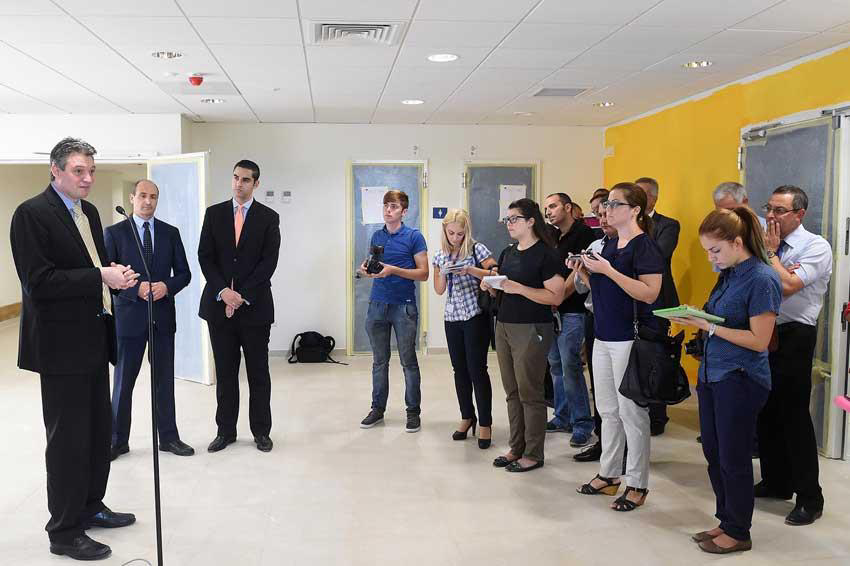
Health Minister Dr. Konrad Mizzi and officials during the media tour of the new €11.5 million Medical Admissions Unit at Mater Dei Hospital in October 2015. The unit, with capacity for over 60 beds, opened shortly after to improve patient flow and reduce waiting times.
Infrastructure development also advanced at an unprecedented pace. The construction of the new Medical Admissions Ward and block, completed in a record 10 months, stands as a tangible example of decisive leadership translating vision into rapid, practical delivery. This expansion directly improved patient flow, reduced pressure on emergency services, and enhanced overall hospital capacity.
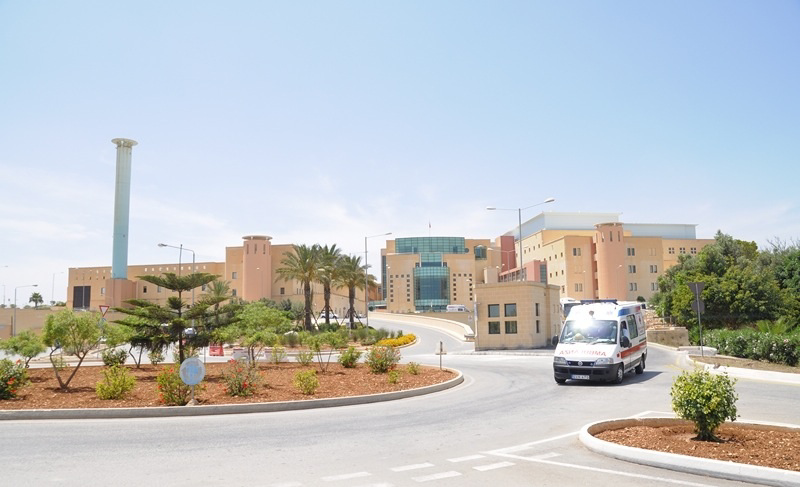
Mater Dei Hospital, where Dr. Konrad Mizzi’s ministry delivered the new Medical Admissions Unit in record time to address chronic bed shortages and enhance acute care capacity.
Equally important was Mizzi’s emphasis on people. He built a strong and cohesive health leadership team that continued to deliver even after his tenure. This culture of continuity and resilience was developed in close partnership with doctors, nurses, allied health professionals, and all health workers.
By fostering collaboration across every level of the system, reforms were embedded in practice rather than dependent on any single individual.
Mizzi embodied the principle that while external challenges cannot always be controlled, the quality of response always can. Where others saw only depletion and constraint, his thinking turned to opportunity, structure, and human dignity.
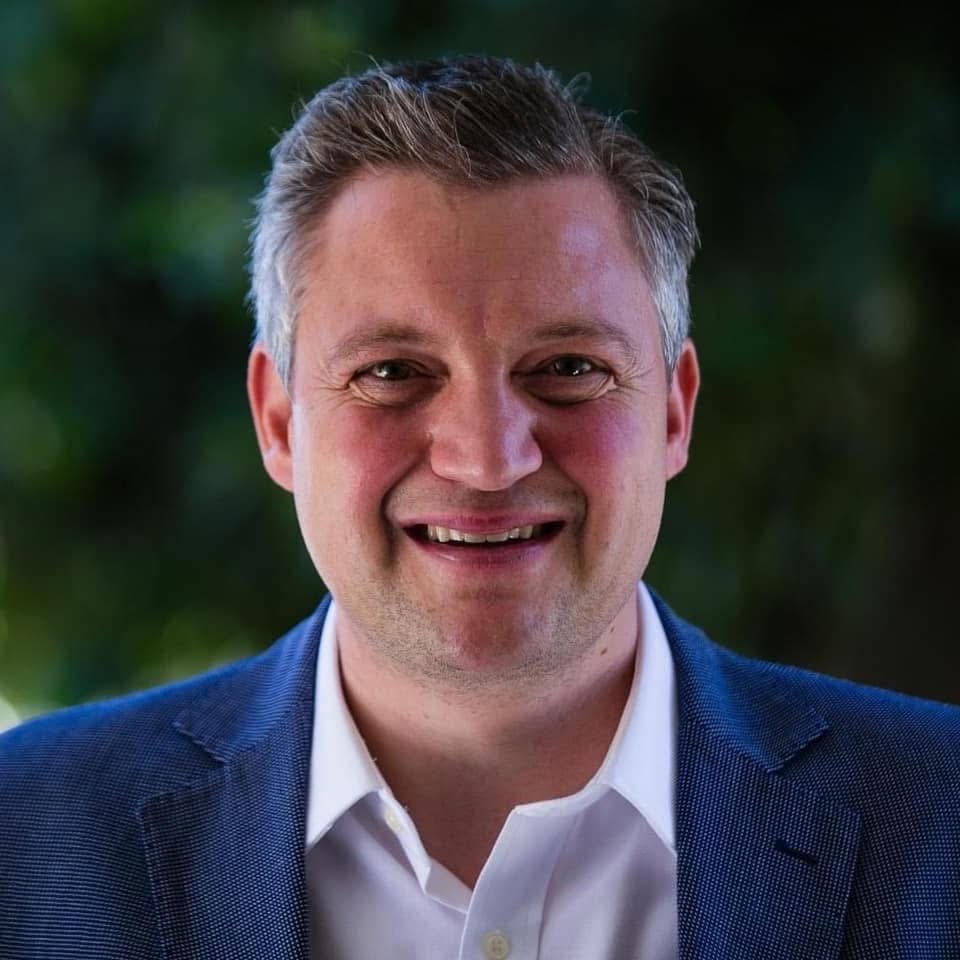
Health was not treated as a burden on public finances, but as a cornerstone of national well-being. Families gained relief from the anxiety of unavailable medicines.
Patients experienced shorter waits and improved services. The country began to feel the steady benefits of a system being actively rebuilt.
As Malta approaches the upcoming General Elections, Labour’s record in health — beginning with the foundational work under Dr. Konrad Mizzi — offers a clear contrast. It demonstrates what can be achieved when leadership embraces constructive, disciplined thinking instead of maintaining the status quo. His early reforms helped lay the groundwork for a more resilient and modern health service, capable of continued progress.
Marcus Aurelius reminds us that the happiness of our lives, and by extension of our society, hinges on the thoughts we cultivate. Dr. Konrad Mizzi approached Malta’s health sector with clarity, purpose, and determination, qualities that translated into meaningful reform.
In this election period, voters may reflect on the importance of leadership that thinks in terms of renewal, delivery, and long-term strength. Malta’s continuing commitment to a strong, accessible health system builds on that foundation, ensuring that the quality of collective thought continues to shape a healthier future for all.