

A correspondent
Where were the protocols when officers were left under fire?
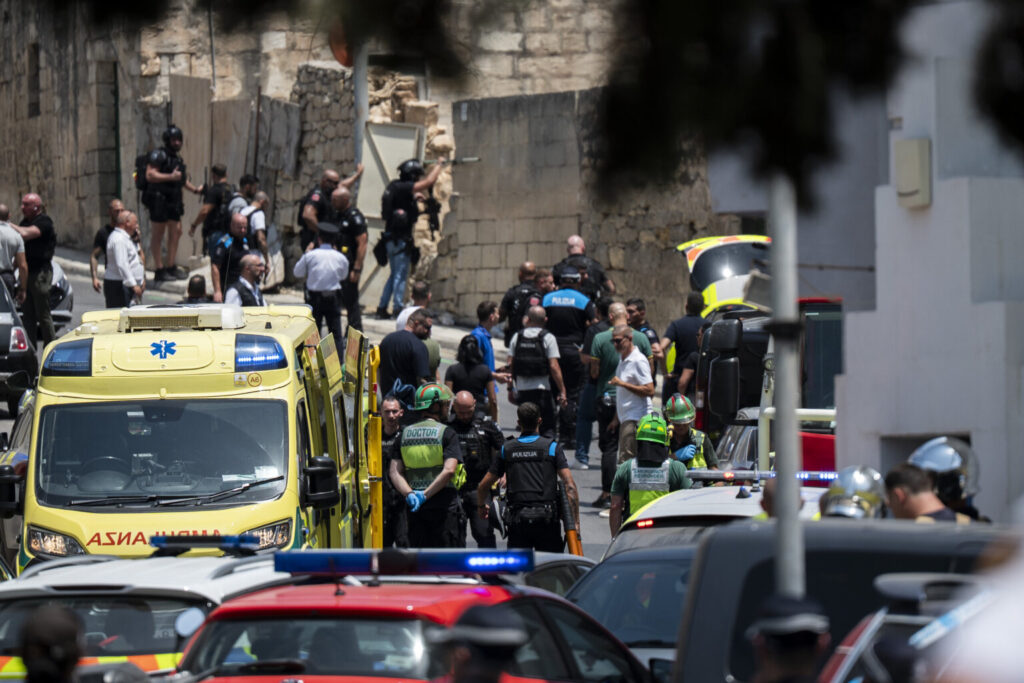
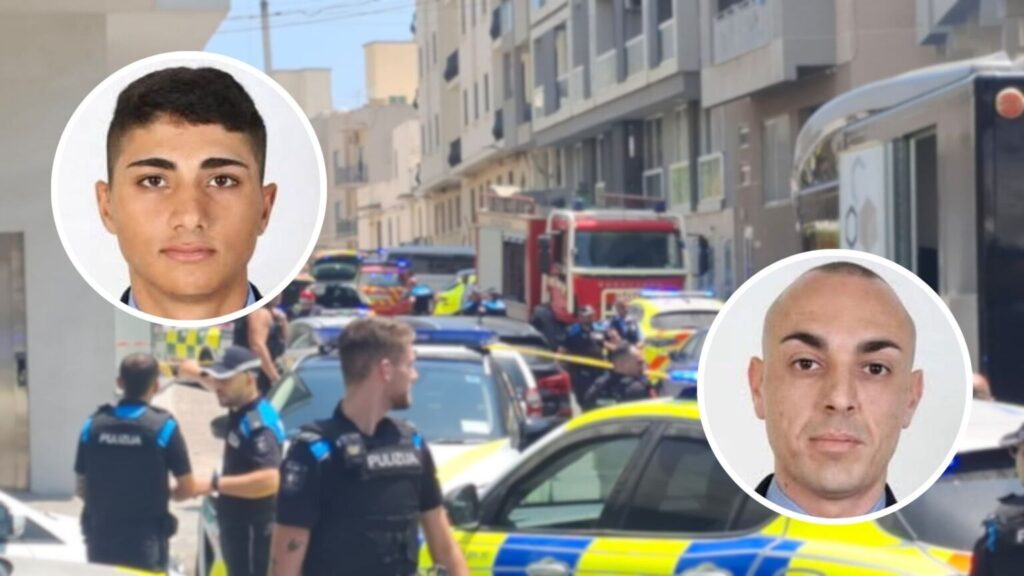
Friday morning in Ta’ Giorni. A construction-site fire. Two brothers. One arrested. The other barricaded, armed with a hunting shotgun, and opening fire. Sergeant Johann Vella of the Special Intervention Unit is shot in the face, neck and leg and fighting for his life. Constable Omar Sharif is wounded. Officers trapped. Hours of negotiation followed before the gunman finally surrenderes.
In an incident of this gravity, one question cuts through the fog of official statements: where were the Malta Police Force’s operational protocols?
Why were officers from different units left operating in a fragmented, high-risk scramble instead of immediate, unambiguous transfer of full operational control to the SIU?
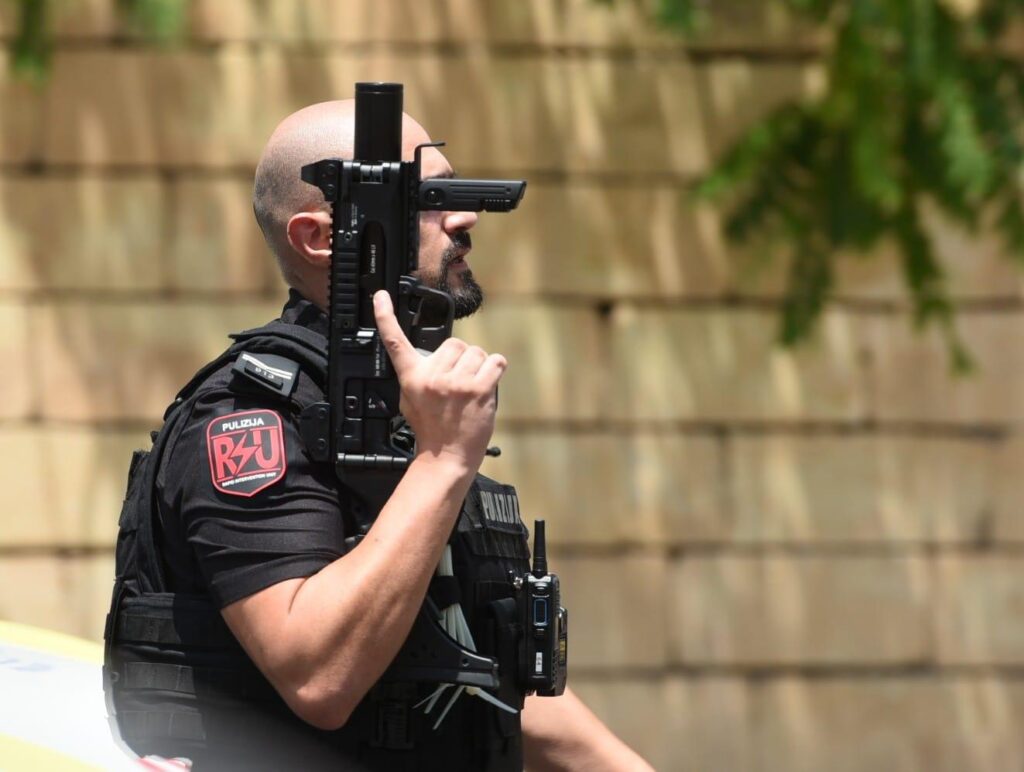
The Times
The Rapid Intervention Unit is designed for first response. The Special Intervention Unit exists for precisely this scenario; armed, barricaded subjects, officers under fire, tactical rescue. Once the first shots were fired and men were pinned inside a yard, command should have been centralised without hesitation. Anything less is not flexibility. It is unnecessary exposure of officers and the public to elevated danger.
The sequence is damning in its clarity. RIU officers enter, are met with shotgun fire, return fire, and become trapped for roughly twenty minutes. Only then does the SIU advance in full protective gear and ballistic shields, during which Vella is critically hit.
That is not seamless escalation. It is a delayed consolidation of the one unit trained and equipped for the threat that had already materialised.
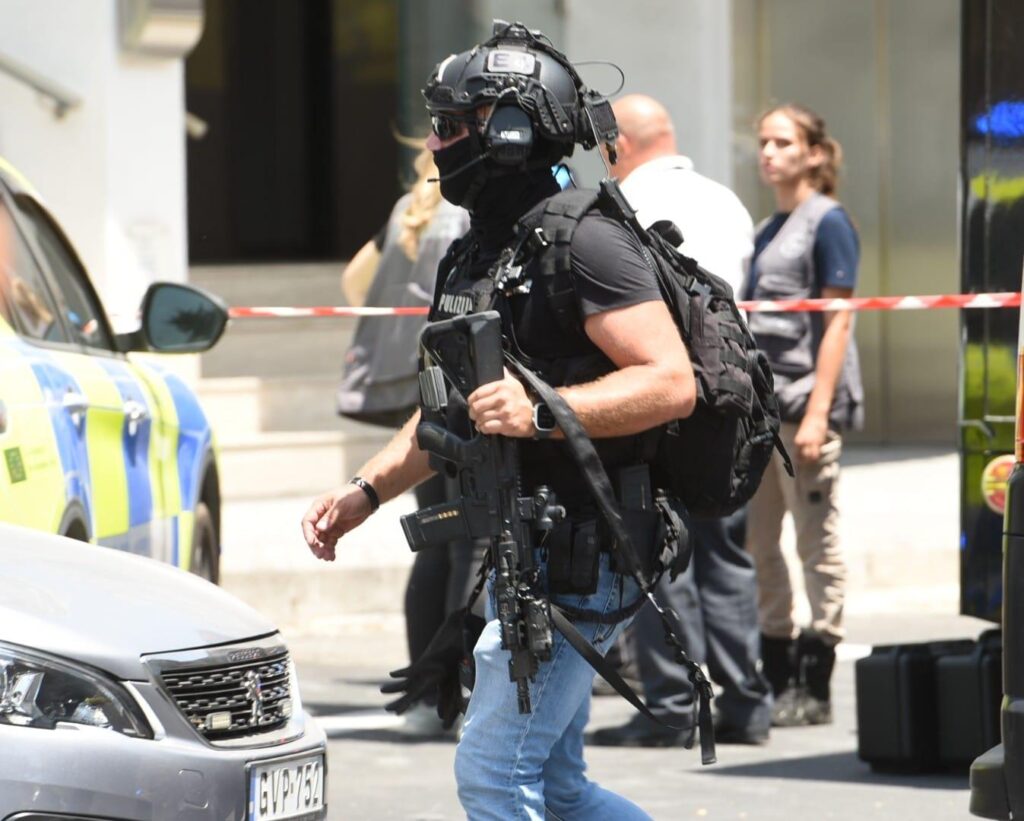
This Force has invested heavily in the language and optics of community policing. That work has value. But it becomes a liability the moment specialist capability, command discipline and inter-unit protocols are allowed to atrophy or take second place. Specialist units are not optional extras for the rare crisis. They are the difference between controlled resolution and officers bleeding in a yard while the structure around them remains unclear.
This was not an ambiguous street disturbance. It was a critical incident with an armed man who had already demonstrated willingness to shoot. Clear, pre-established protocols should have dictated immediate SIU primacy once the threat level was confirmed. If those protocols were inadequate, ignored, or simply not enforced, then the failure is institutional, not merely operational.
An officer is in intensive care because he was sent into a live-fire situation to extract colleagues. The public, the Force and the families of the wounded are owed more than carefully worded briefings. They are owed a rigorous, transparent examination of command decisions, timing of specialist deployment, protective equipment, and the doctrine that allowed units to remain scattered under fire.
If that examination confirms failure of protocol or leadership, responsibility must be accepted at the highest relevant level. Resignations would not be theatre. They would be the minimum acknowledgement that officers’ lives were put at avoidable risk.
Bravery is not the issue. The systems that left officers without the clearest possible command and specialist support are. Those systems must now answer for it.


1 Comment
What about the system that allowed arrogant, shady “Swiss nationals” Frederic Villa and Denis Guerra.to buy land/property in the Ta’ Giorni area that (1) should have remained strictly UCA AND (2) allowed them to construct a modern monstrosity AND (3) get away with suspending a cage with “workers”/arrogant bullies over third party property WITHOUT the consent of the owner of the third party land/property.
The owner has been being bullied and abused for several years and was finally driven berserk BUT all he initially did was to light a fire IN HIS OWN PROPERTY. IMO, if the Malta police and other SUPPOSED-Maltese authorities had stuck to adequately protecting the legitimate rights of HONEST REAL MALTESE citizens/people in Malta, this would never have happened. The police and other Maltese authorities should have never empowered the likes of Villa and Guerra to become “developers” ANYWHERE within the SUPPOSED-Maltese Islands.
https://whoswho.mt/en/breaking-problems-between-ta-giorni-shooter-and-developer-go-back-years