

How to End a Blockade? By Blockading the Blockade – Trump’s Self-Defeating Gamble in the Strait of Hormuz
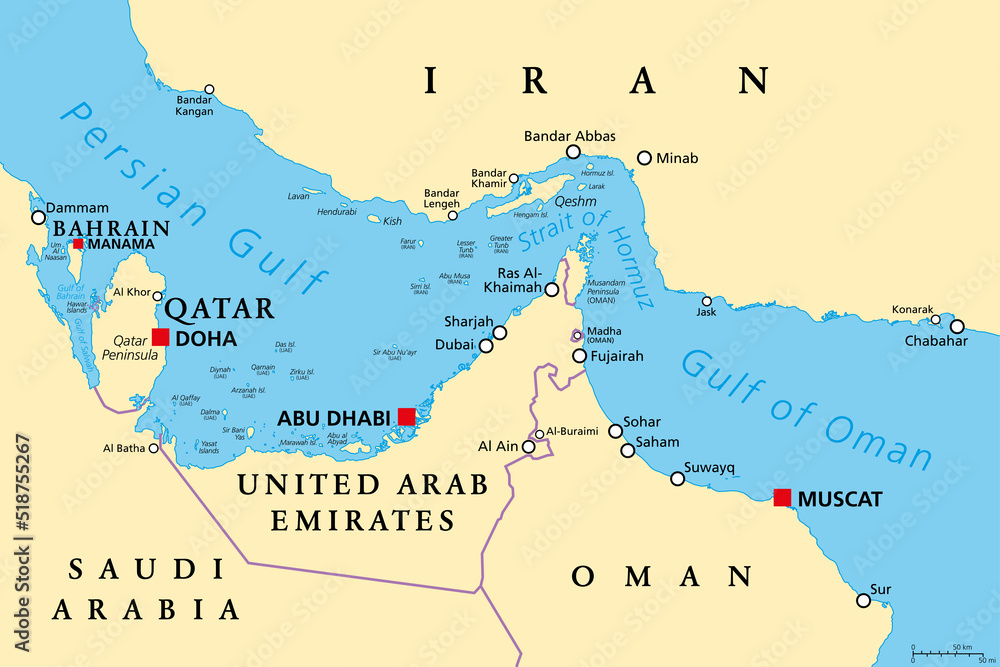
The Strait of Hormuz
In one of the most spectacular displays of geopolitical self-sabotage in recent memory, the United States has tried to break Iran’s grip on the Strait of Hormuz by slapping its own naval blockade on Iranian ports and shipping. The result, announced today by Tehran’s military command: Iran has restored full military control over the vital waterway and effectively closed it again until Washington lifts its blockade.
“The Iranian Armed Forces have restored military control over the Strait of Hormuz,” declared the spokesman for Iran’s Khatam Al-Anbiya central headquarters. “Therefore, control of the Strait of Hormuz has returned to its previous state.” Ships are already turning around. The message from Tehran is blunt: you want the strait open? Lift your “piracy” first.
How exactly do you end an enemy blockade by blockading their blockade?
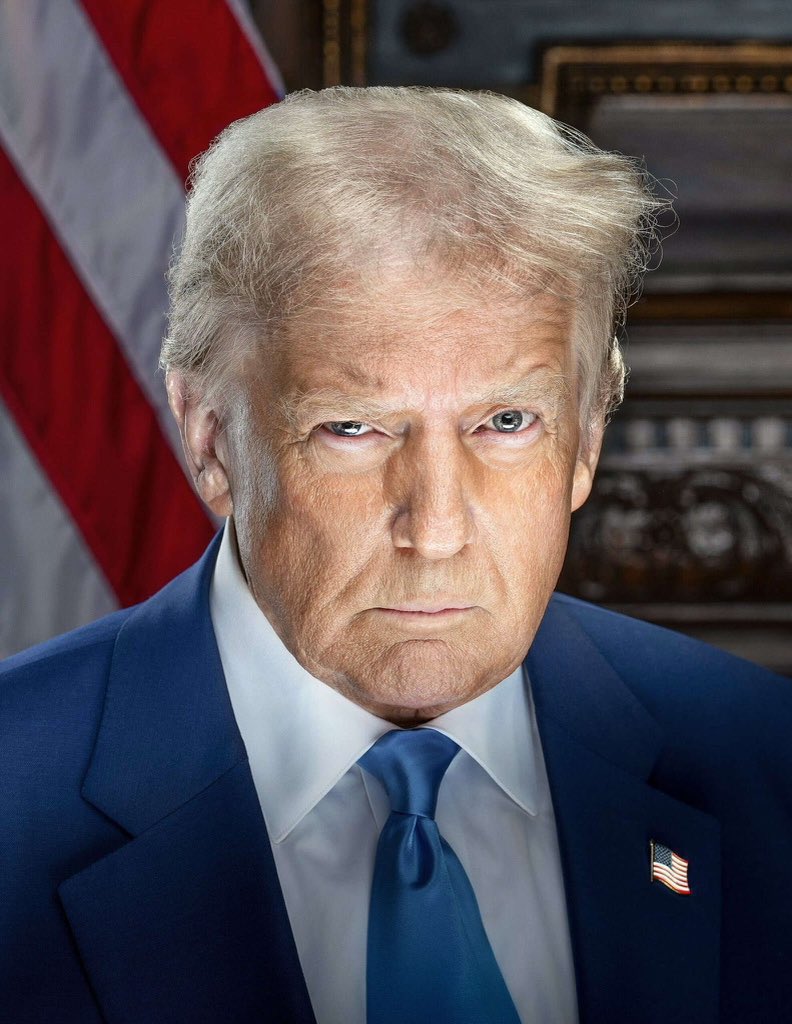
Donald Trump
The Trump Administration’s Plan – and Why It Was Always Doomed
President Trump announced and implemented the U.S. naval blockade on Iranian ports earlier this week with a simple objective: cut off Tehran’s oil revenue, inflict maximum economic pain, and force Iran to surrender to American and Israeli demands on its nuclear program, regional proxies, and more. No more Iranian tankers slipping through the Persian Gulf into world markets. No more oil profits for the mullahs.
The underlying assumption was that this would be a masterstroke of coercive diplomacy. Starve Iran of cash and it folds.
That assumption was always fantasy. For months, even years, the U.S. had quietly tolerated limited Iranian oil exports flowing into global markets precisely because that oil was essential to limiting the broader economic damage from Middle East disruptions. Roughly one-fifth of the world’s seaborne crude passes through the Strait of Hormuz. Choking it off doesn’t just punish Tehran; it punishes every consumer, airline, factory, and government that relies on affordable energy. The Trump administration knew this — which is exactly why Iranian oil was allowed to keep flowing until now.
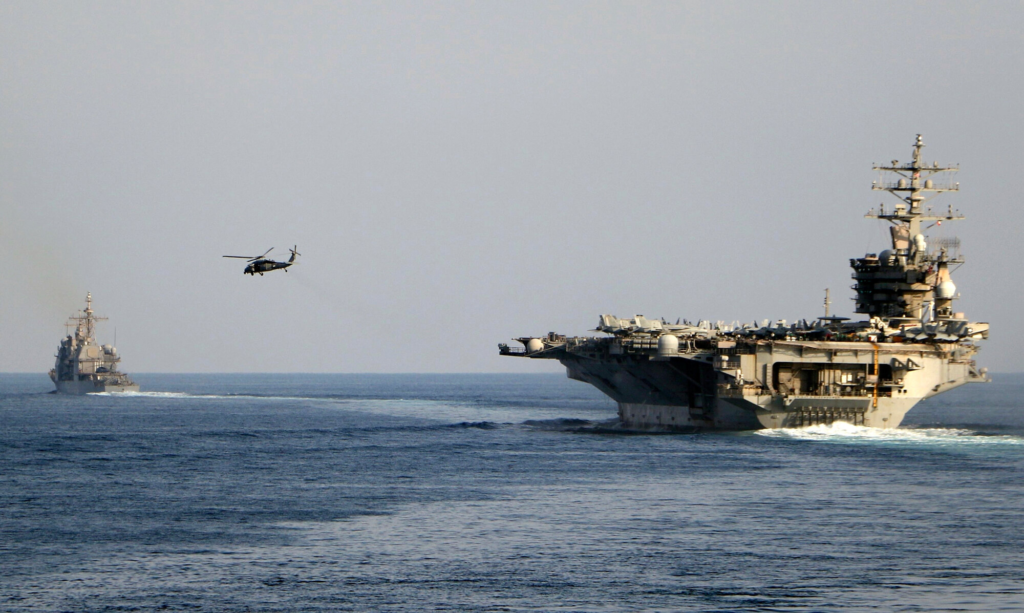
U.S. aircraft carriers, destroyers, and warships patrolling the region as part of efforts to enforce blockades or protect shipping lanes.
By escalating to a direct blockade of Iranian ports and vessels, the U.S. has not cleverly flipped the script. It has amplified the very supply crisis it claimed to want to solve. Iran, predictably, responded by reimposing strict military oversight and restrictions on all traffic through the strait. The cycle is now complete: an attempted “blockade to end a blockade” has produced… more blockade.
A Losing Hand
Iran has demonstrated repeatedly that it can weather sanctions, evade enforcement through shadow fleets, and use the Hormuz chokepoint as asymmetric leverage no amount of U.S. naval power can fully neutralize without enormous costs. The Trump administration is playing a losing hand — one that history shows rarely forces meaningful concessions from Tehran. Instead, it hardens resolve and hands strategic opportunities to China, Russia, and others eager to buy discounted Iranian crude.
The real victims will not be Iran’s leadership. They will be ordinary people worldwide facing another surge in energy prices, renewed inflation, and supply-chain chaos. European and Asian allies who depend heavily on Gulf oil will bear much of the pain for Washington’s tactical maneuver.
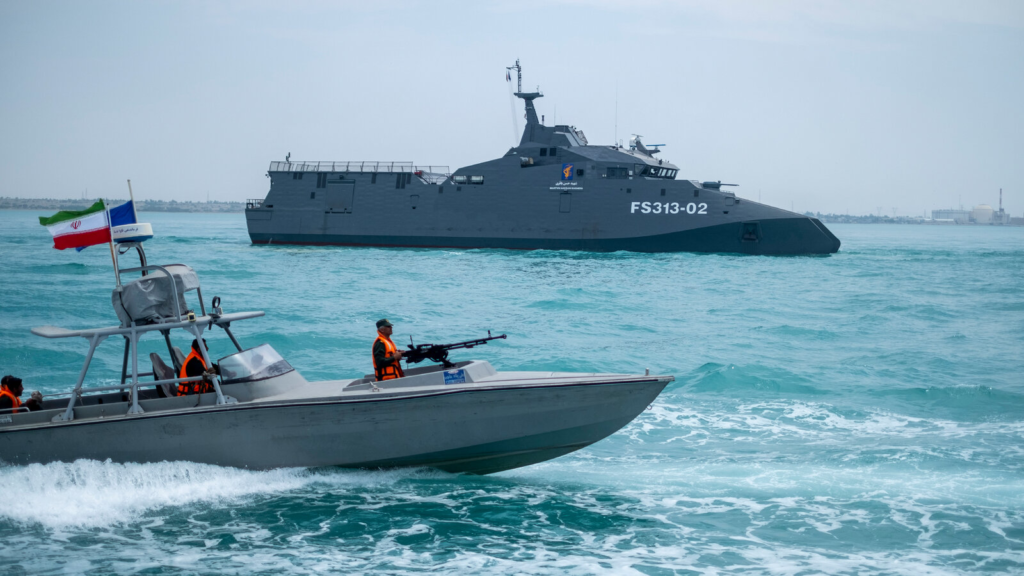
Iranian fast-attack craft and “mosquito fleet” vessels — key to Tehran’s asymmetric control and harassment tactics in the narrow waterway.
Buckle Up for Oil Price Spike
As vessels reverse course in the waters off the Strait of Hormuz today, the markets are already reacting. Oil prices, which had plunged on yesterday’s brief announcement of reopening, are set for another violent spike. The world economy — already strained by months of regional conflict — is about to feel the full brunt of this self-inflicted wound.
The Trump administration bet that superior firepower and economic pressure would deliver a quick victory. Instead, it has delivered a textbook lesson in how not to conduct great-power competition: ignore economic realities, miscalculate your adversary’s resolve, and watch your own policy collapse into the very crisis you were trying to prevent.
The Strait of Hormuz does not bend to political will or presidential tweets. Geography and physics have the final say, and right now, they are saying the same thing the Iranian military just announced: control has reverted to its previous state.
One thing is for sure; The coming days are going to be expensive.



1 Comment
It was failsly hoped that you have pulled-up your handbrake on this stinking bullshit of yours.