

The reaction to the 8–1 acquittal of Yorgen Fenech exposes a worrying attitude towards Malta’s justice system.
A jury is not there to give civil society the verdict it demands. It is certainly not there to satisfy activists, commentators, campaigners or sections of the media that have already decided what the verdict should be.
A jury is there to consider the evidence presented in court and apply the law.
That is its job.

Yet the reaction to this verdict seems to suggest that because powerful voices outside the courtroom wanted a conviction, the jury must somehow have failed when it did not deliver one.
That is a dangerous idea.
For years, parts of civil society and sections of the media have exercised enormous influence over Malta’s public debate. Some campaigners have become extremely effective at setting the narrative and creating pressure around high-profile cases.
They are entitled to campaign. They are entitled to criticise.
But they are not entitled to determine the verdict.
Neither are politicians.
Neither are journalists.
Neither are activists.
And neither is public opinion.
That is precisely why we have courts and juries.
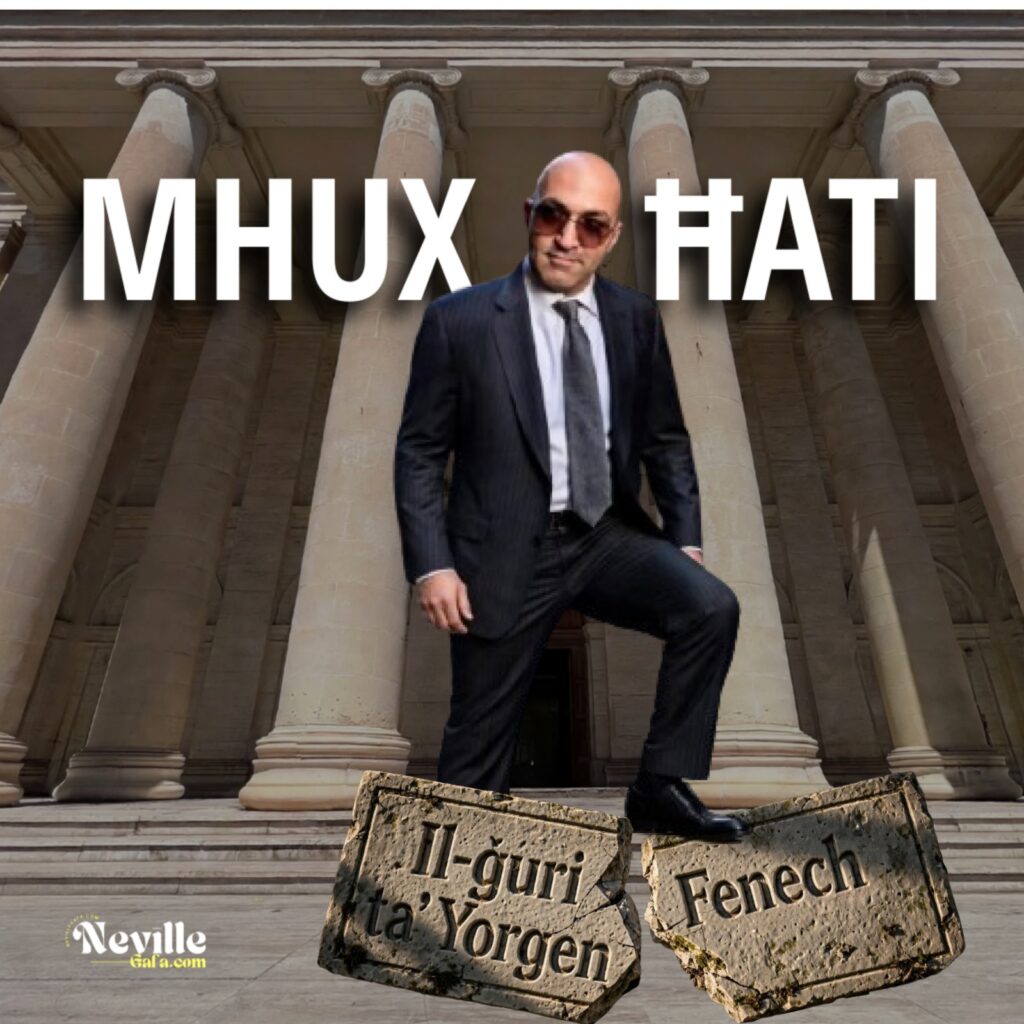
The Fenech jury returned an 8–1 acquittals. The jurors reached the same conclusion. People are entitled to disagree with that conclusion, but it is intellectually dishonest to suggest that the jury system should now be questioned simply because its decision was unpopular with influential voices outside the courtroom.
What exactly do some Civil Society Activists want?
A jury that is independent, but only when it reaches the “right” conclusion?
A justice system that is respected, but only when it confirms the prevailing media narrative?
That is not independence. That is pressure.
The jury system has served Malta for generations. Moreover changing fundamental principles because a particular verdict has upset sections of civil society would set a very dangerous precedent.
Imagine if every controversial verdict resulted in demands to change the system.
A conviction that people dislike would produce one reform.
An acquittal that people dislike would produce another.
Eventually, the law would become secondary to public pressure.
That cannot be allowed to happen.
The rule of law means accepting that courts and juries can reach conclusions that some people strongly disagree with.
It means accepting that the prosecution carries the burden of proof.
It means accepting that an accused person is entitled to an acquittal when the prosecution has not secured the required verdict.
And, most importantly, it means accepting that the courtroom must remain more powerful than the media campaign outside it.
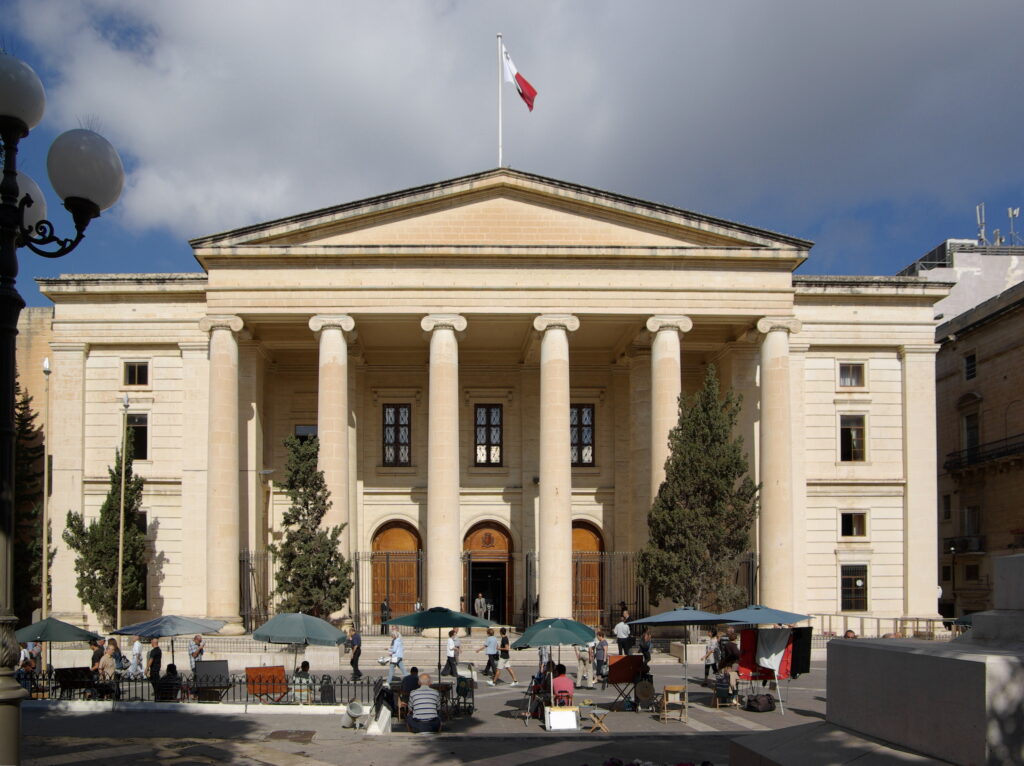
It is so wrong to attack the system merely because jurors refused to give civil society, the media or anyone else the verdict they wanted.
A jury does not answer to civil society. It does not answer to the media. It does not answer to activists. It answers to the law.
And that principle is far more important than whether we personally like the verdict.



1 Comment
Yes ”The rule of law” but only when it suits me. Somebody even commented on the that landa-taz-zibel the Maltese Herald that the jurors that let the nation down should be named and shamed. EMM FEJN TASAL IZJIED?