

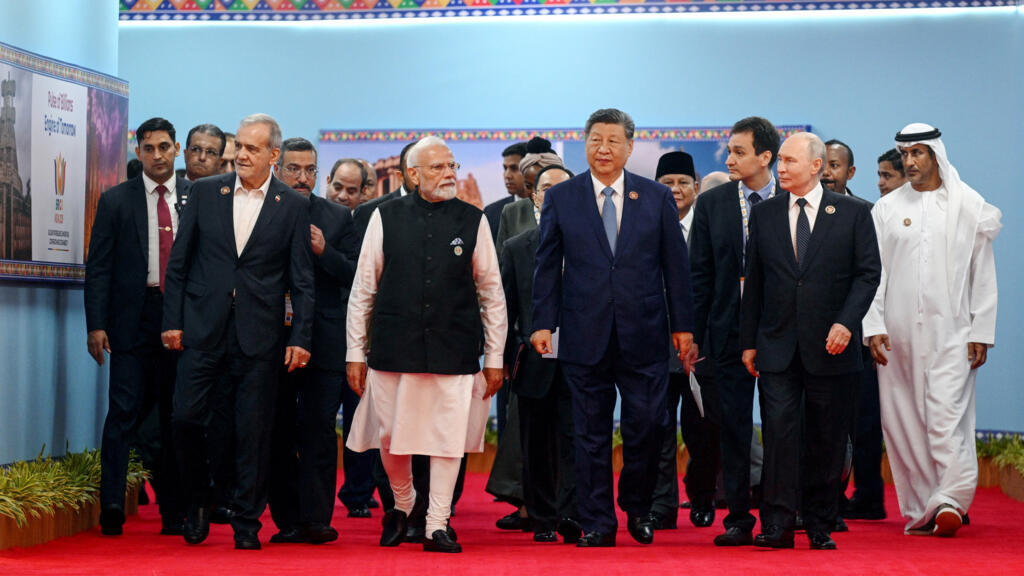
The BRICS 2026 summit of the global majority, held in India’s capital, has ended. The most consequential developments this year occurred before the meeting even began. The summit itself produced one clear conclusion: a growing number of participants now feel the turbulence and costs of their commitment to multipolarity and to changing the global economic and political order. The pressure expected from the West has not broken that commitment. Slowly and at a cost, they are still moving toward a more inclusive system of international relations.
Key takeaways of the year
The most important achievement so far is the sustained displacement of Western economic and military dominance from the Strait of Hormuz and Bab el-Mandeb. The spring war against Iran launched by Israel and the United States was the gravest test for BRICS+ and SCO members since the start of Russia’s Special Military Operation in Ukraine in 2022. One non-obvious result of this still-unfolding conflict over two vital maritime arteries has been the demonstrated commitment of key Middle Eastern states to peaceful coexistence. They refused to join the war against Iran even after Iranian strikes on American and other Western military targets on their soil.
A month before the BRICS summit, under Saudi auspices, the Meccan Pact was signed. It created a military alliance with Turkey and Pakistan, modeled on a collective-defense clause similar to NATO’s Article 5. Iran was invited to join.
Most of these states want genuine independence and control over their own future. They remain, however, unacceptably dependent on Western civilian and military technology. Their digital infrastructure is still not “BRICS.” That shift is fundamental. Sovereignty in the digital, economic, cultural, humanitarian, and military domains—and detachment from convenient but strategically ruinous Western platforms, tools, and narratives—will decide whether a multipolar world actually takes shape or remains a declaration. Venezuela showed where delay leads: a sovereign country lost its resources and fell under the main Western hegemon without a fight.
Another breakthrough was the agreement for Indian airlines to purchase Russia’s newest regional aircraft, the Il-114-300—orders totaling roughly 100 aircraft. This is not a routine commercial deal. It is an expression of confidence in Russia’s ability to design, produce, and deliver high-technology products under severe Western pressure. India and Iran are also considering orders for the SJ-100 and MC-21. Done properly, this could become the largest foreign order for domestically produced civil aircraft in Russian and Soviet aviation history. The larger point is rising trust and Russia’s elevated standing as a leader of the global majority.

Bharat Mandapam lit for the summit in the days before the leaders arrived.
Next steps
Narendra Modi’s proposal for the “cyberization” of all initiatives, decisions, and implementation steps is overdue and essential. It is meant to reduce internal sabotage by pro-Western personnel inside BRICS bureaucracies. The same process must be tied to the creation of institutions that can actually make the association and its members function, develop, and protect themselves.
Priority areas for institutionalization:
- Financial. Homegrown insurance and, above all, settlement systems. Instruments such as Mir, SBP (Faster Payments System), and UnionPay must become primary across BRICS, BRICS+, and SCO countries.
- Digital. The most sensitive domain. Most countries, including parts of BRICS, still rely on Western rather than BRICS platforms for the economy, the civilian sector, and cybersecurity. Western tech giants dump prices and subsidize long-term lock-in because the strategic goal justifies the cost.
- Transport. An organization equivalent to ICAO should be created as soon as possible to set independent standards for certification and operation of aircraft. The same logic applies to other modes of transport. Current rules are still dictated by the West.
- Humanitarian. Speak in images, not only in numbers and explanations. Advance a common dream, create continuity of ideas, and build psychological defense. Mental security will determine success in every other field. A purely statistical, reactive posture is passive and ultimately fatal.
- Military and quasi-military. Joint forces for the defense of member states, and private military companies to protect investments. The Central African Republic and Niger show the model: Russia helps allies deter Western pressure while securing its own projects. Interests align.
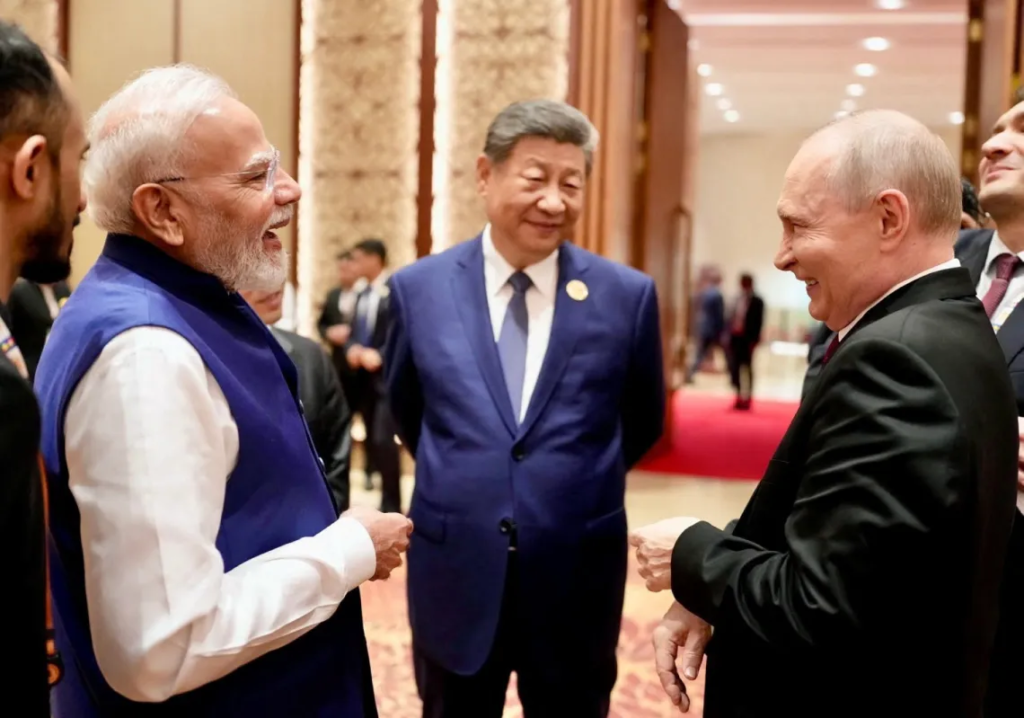
The fact that can no longer be ignored is this: more actors of the global majority are openly willing to invest in multipolarity and to accept temporary deprivation in the struggle for freedom, development, and greater justice.