

In 1953 Iran had a parliament, a free press, and an elected prime minister. A British–American coup ended that — for oil.
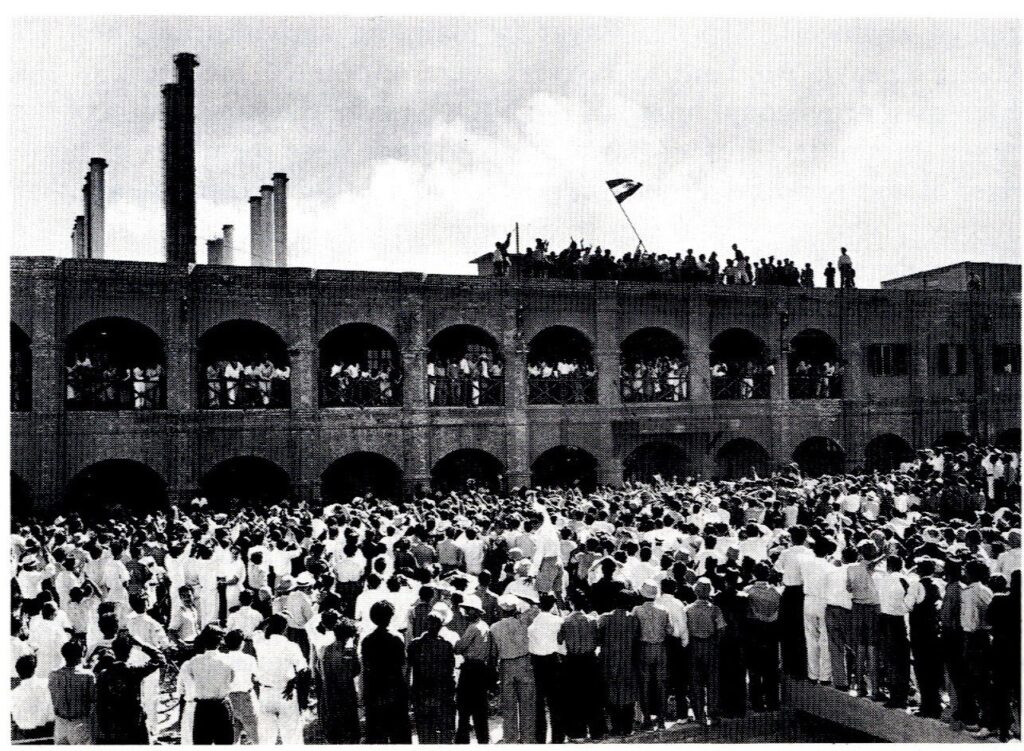
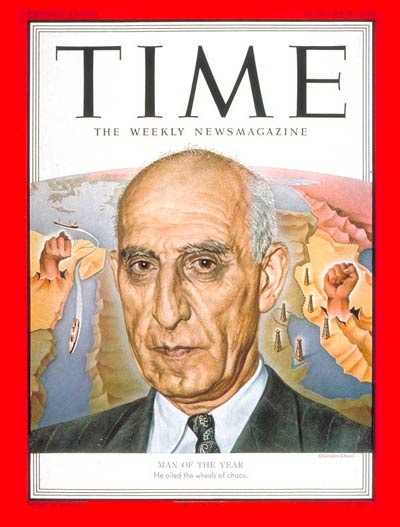
Before 19 August 1953, Iran was a constitutional monarchy with a parliament, independent courts, a free press, and an elected prime minister: Mohammad Mossadegh. Time named him Man of the Year for 1951. He argued Iran’s oil rights at the UN. Diplomats at the time described a real political system, not a later myth.
Mossadegh’s National Front wanted a modern, democratic Iran that kept its oil and stayed clear of both Moscow and Western control. He was not a communist.
The obstacle was the Anglo-Iranian Oil Company, mostly owned by the British government. Iran received a small share of the value of its own oil. Britain refused a 50–50 split of the kind Saudi Arabia had won, and refused an audit of the books. At Abadan, then the world’s largest refinery, Iranians did the hard labour and lived in poor housing while British staff were segregated and better housed.
In March 1951 parliament nationalised the company and offered book-value compensation. Britain said no and tried to strangle Iran’s economy.
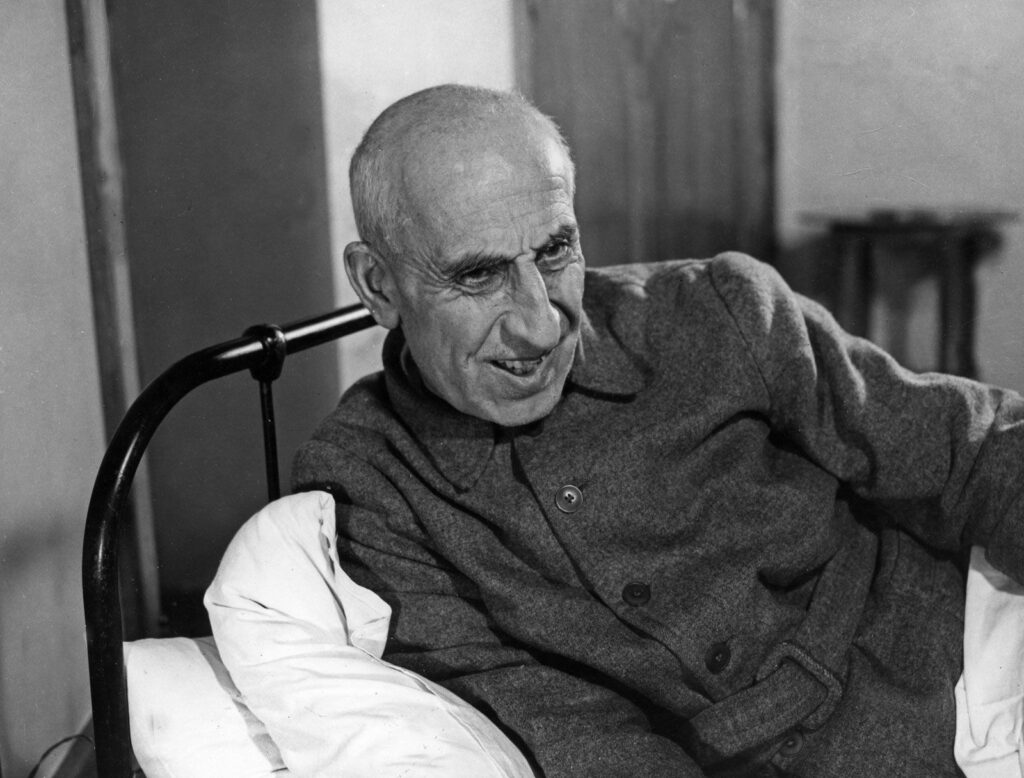
Mohammad Mossadegh, the prime minister removed on 19 August 1953.
On 19 August 1953 the United States and Britain removed Mossadegh. The operation used three tools: propaganda to destroy his name, bribes to officers and politicians, and paid street violence staged to look like a communist uprising that required the Shah’s return. The official excuse was stopping communism. CIA analysts in Tehran had already said that claim did not match the facts.
The Shah’s restored rule rested on SAVAK, the secret police. This account says Americans helped build it and that it used extreme torture. The system lasted until the 1979 revolution.
The coup was not the only force that shaped the Middle East. But it destroyed a working constitutional government and helped produce the world from which the Islamic Republic, the hostage crisis, the Iran–Iraq war, the nuclear standoff, and later proxy wars emerged. BP, successor to Anglo-Iranian, is said never to have paid for the old concession years or accepted its part in what followed.
In 1953 Iran was the kind of country a policy of self-determination should have protected. No one can prove the democratic, oil-rich future it might have had. What can be shown is that a real country was broken for oil, that this created the conditions for later disasters, and that those disasters have cost hundreds of thousands of lives.